Dr. Kessler
A simple, defensible paper trail for every reagent that enters your lab — what to keep, and why it matters later.
Good procurement records protect a lab long after an order arrives — they support audits, funding reviews, and simple day-to-day traceability. None of this needs to be complicated, but it does need to be consistent.
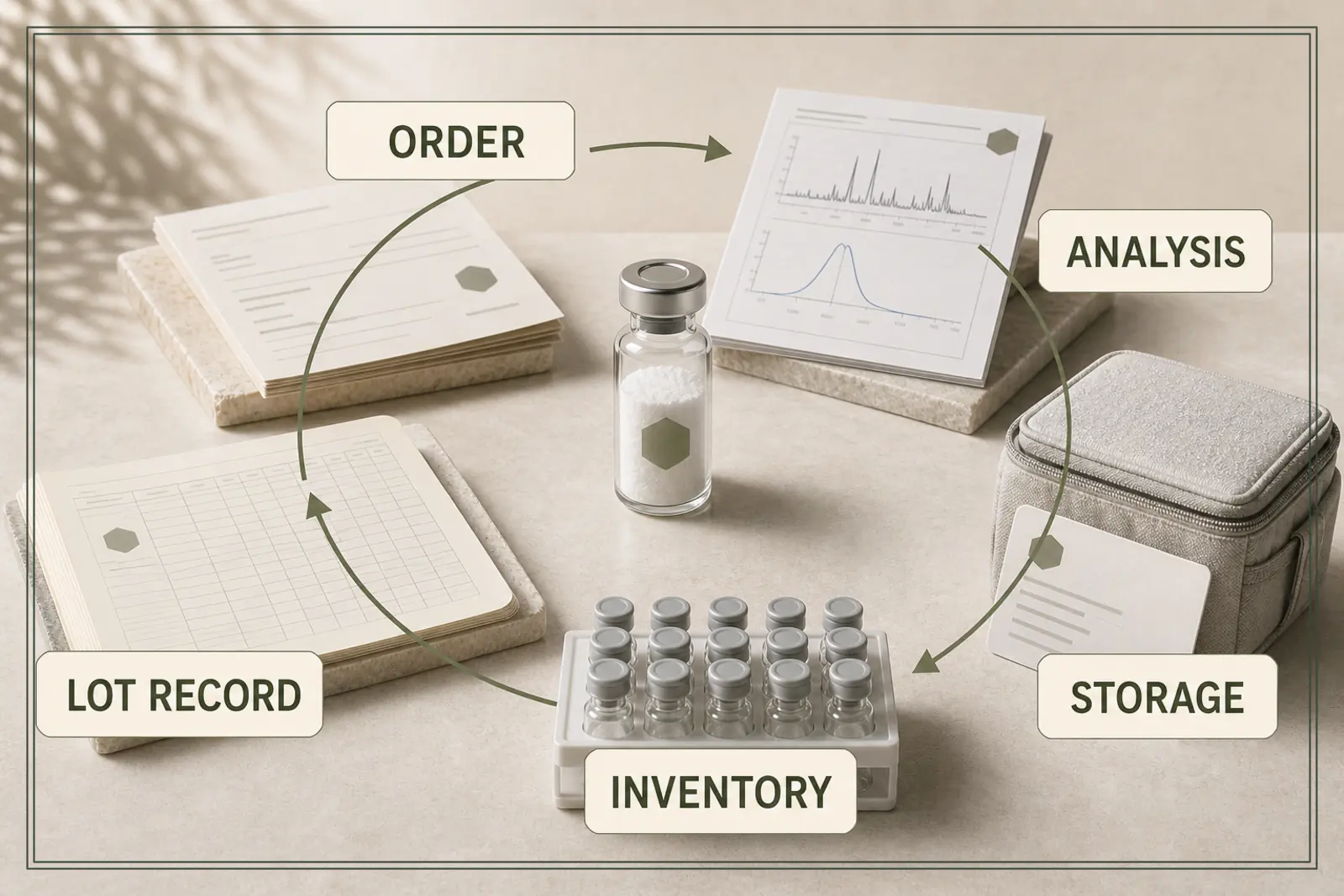
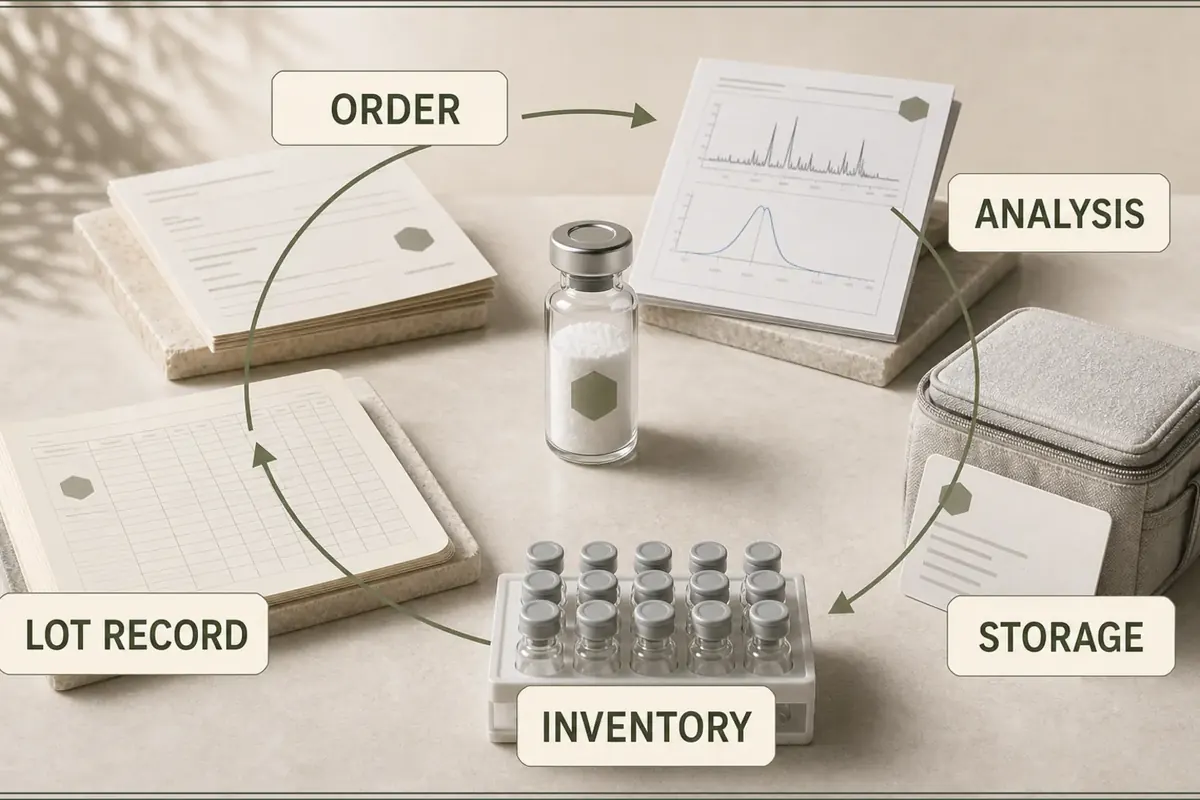
Keep, per order
- The order confirmation and invoice, including the supplier's stated specifications.
- Lot or batch identifiers for each item received, tied to your internal inventory log.
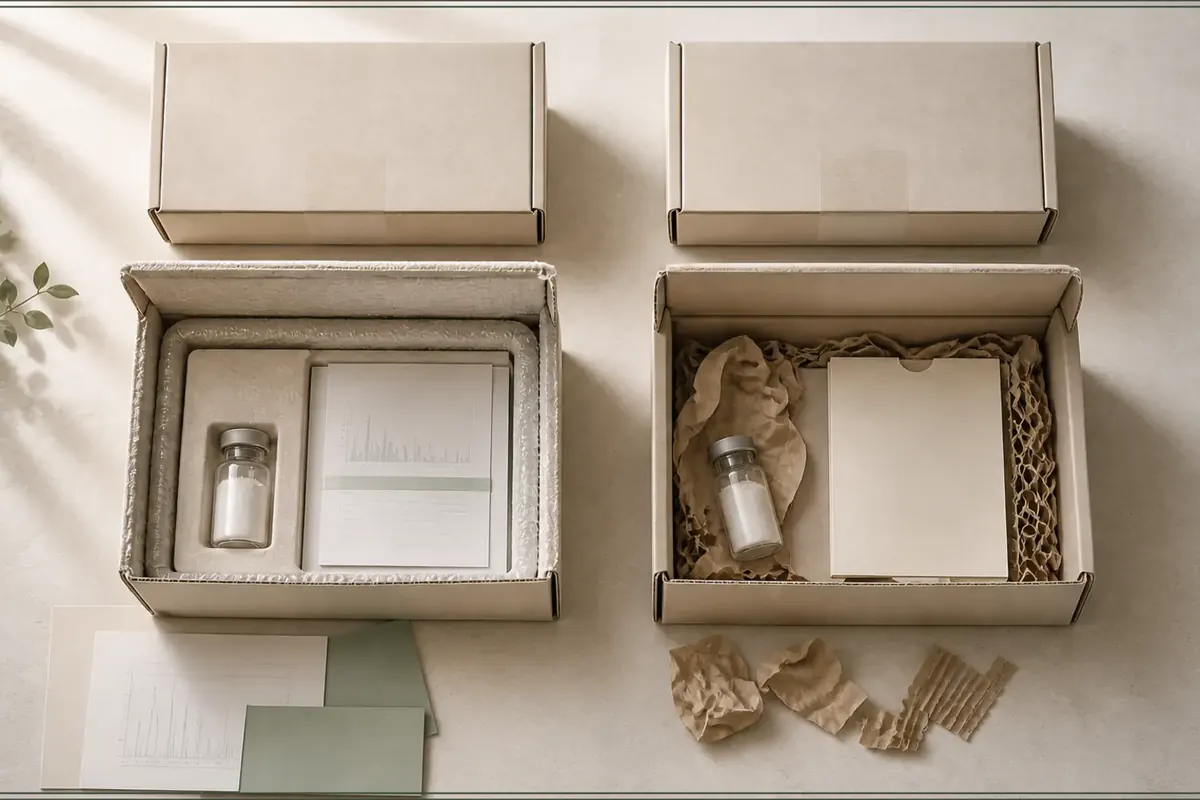
- Any documentation the supplier provides describing the material's specification.
- A record of storage conditions applied on receipt and any changes over time.
Why this matters even for small orders
A one-line spreadsheet entry today is far easier than reconstructing a purchase history months later when a grant audit, a lab move, or a query about a specific result requires it. Treat the record-keeping as part of receiving the order, not an optional extra.
Reading supplier specifications critically
Ask what a specification actually describes — the method used, who produced the figure, and whether it is lot-specific or a general statement about the product line. Keep whatever documentation your supplier does provide, and note plainly where you don't have independent verification of a claim.
For research use only — not for human consumption. Nothing here is medical advice.