Lab Team
There is no monthly course price for retatrutide because there is no licensed product. What there is: material cost, diluent, cold chain, and the cost of testing.
Asking what retatrutide costs per month assumes a licensed product with an approved course, and no such product exists in any territory. The question has no answer in the form it is asked. What can be answered, and is more useful anyway, is what actually sits inside the price of research material, and why the cheapest listing in a set of search results is so often the weakest one.
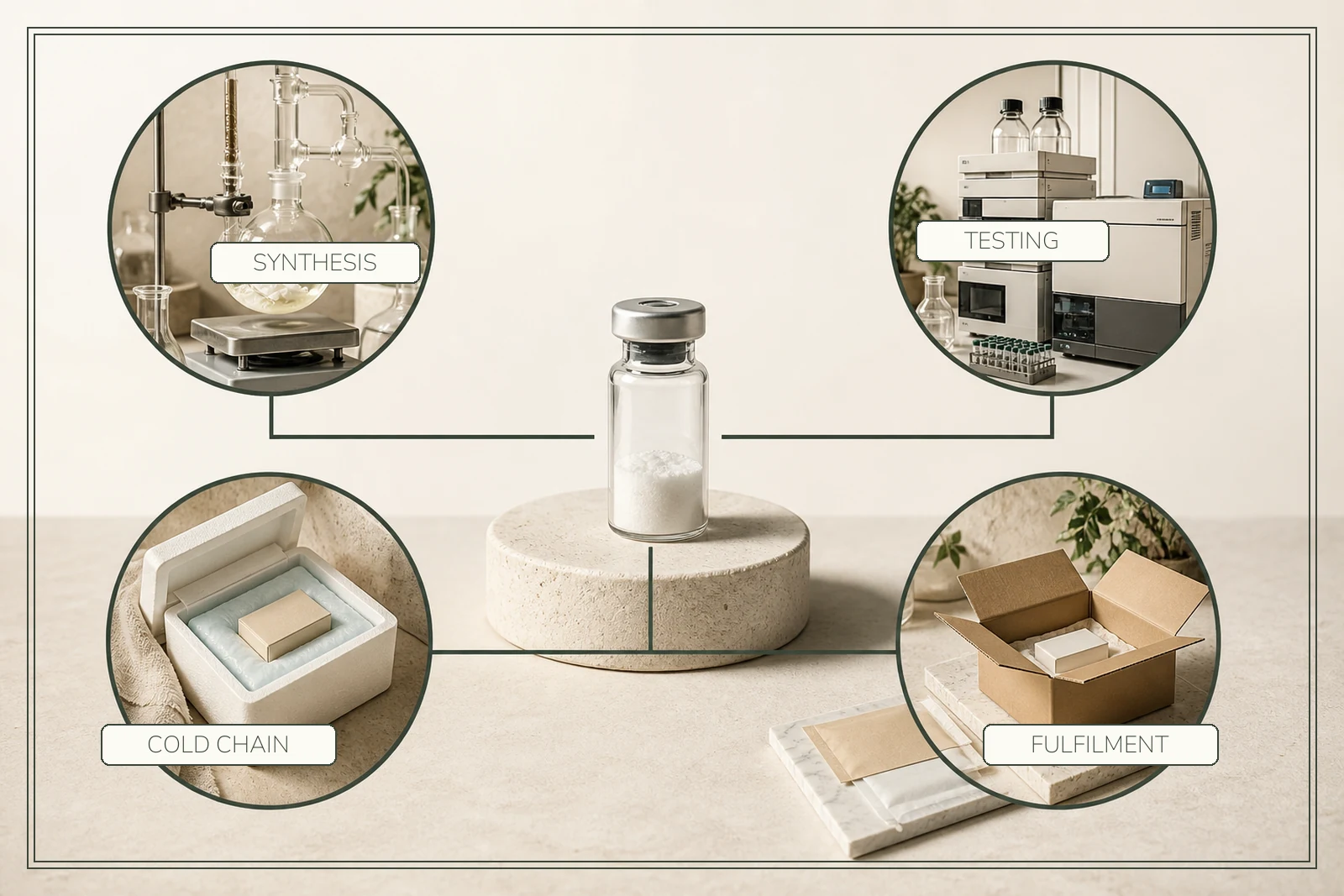
Why is there no monthly price?
Because a monthly price is a property of a licensed medicine, and retatrutide is not one.
Licensed products have approved indications, defined courses and established supply chains, which together make a monthly cost a meaningful figure. Retatrutide has none of these. It holds no marketing authorisation anywhere, its phase 3 programme is ongoing, and it is supplied as research material by quantity rather than by course.
Any source quoting a confident monthly figure has constructed it from assumptions about use that no regulator has approved and no published protocol establishes. The figure looks like information and is not.
It is worth seeing what has to be assumed to produce one, because the assumptions are the part that gets hidden. A monthly figure requires an amount, an interval and a duration. None of the three is established for retatrutide by any authority, so all three have been supplied by whoever wrote the number. What arrives looking like a price comparison is really someone's protocol presented as arithmetic — and we will not publish one, for the same reason we publish no schedule anywhere on this site.
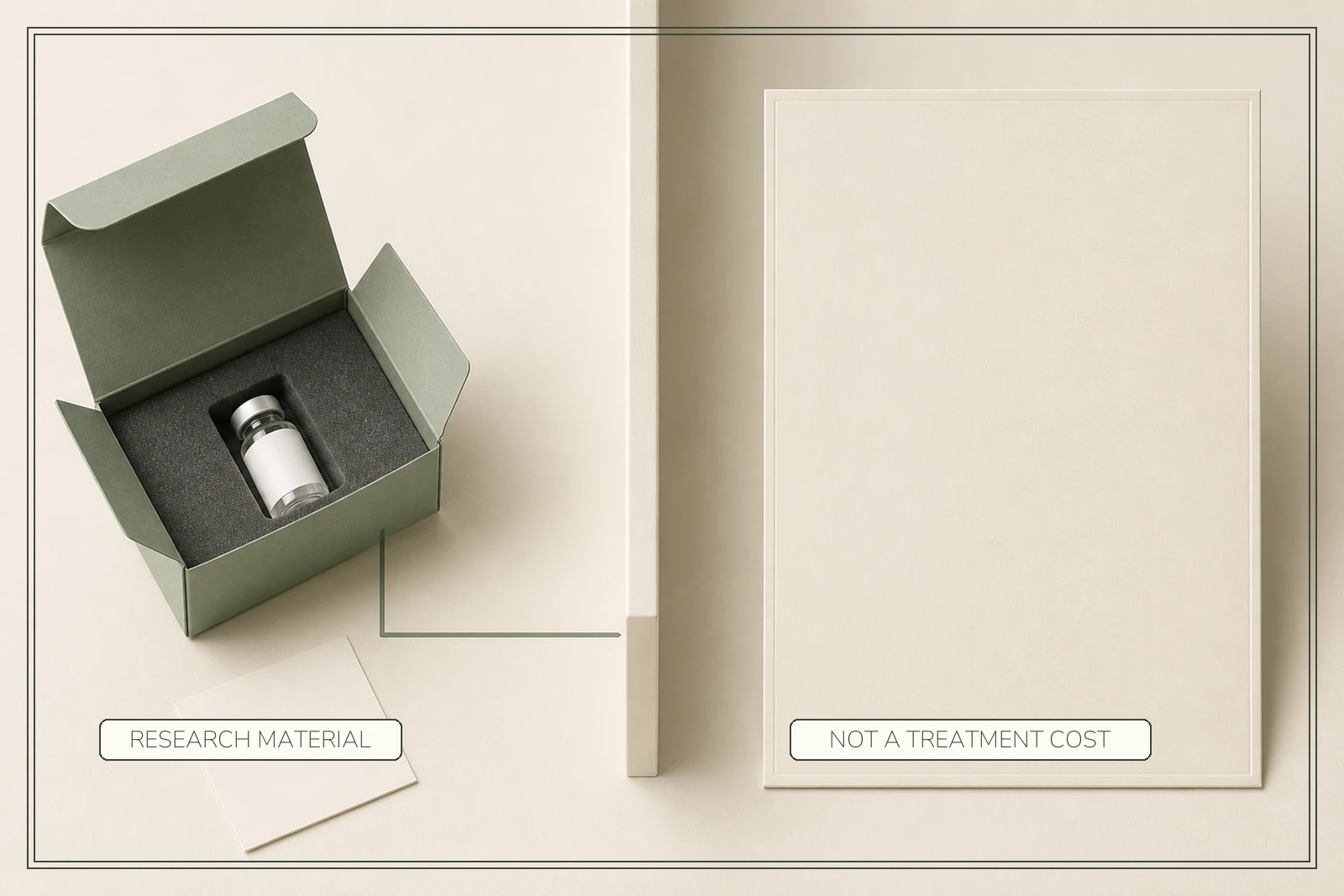
What actually makes up the cost of research material?
Four things, and they are separable.
**The peptide itself.** Synthesis, purification and lyophilisation of a complex multi-receptor peptide is not a trivial process, and cost scales with the difficulty of the sequence and the purity target.
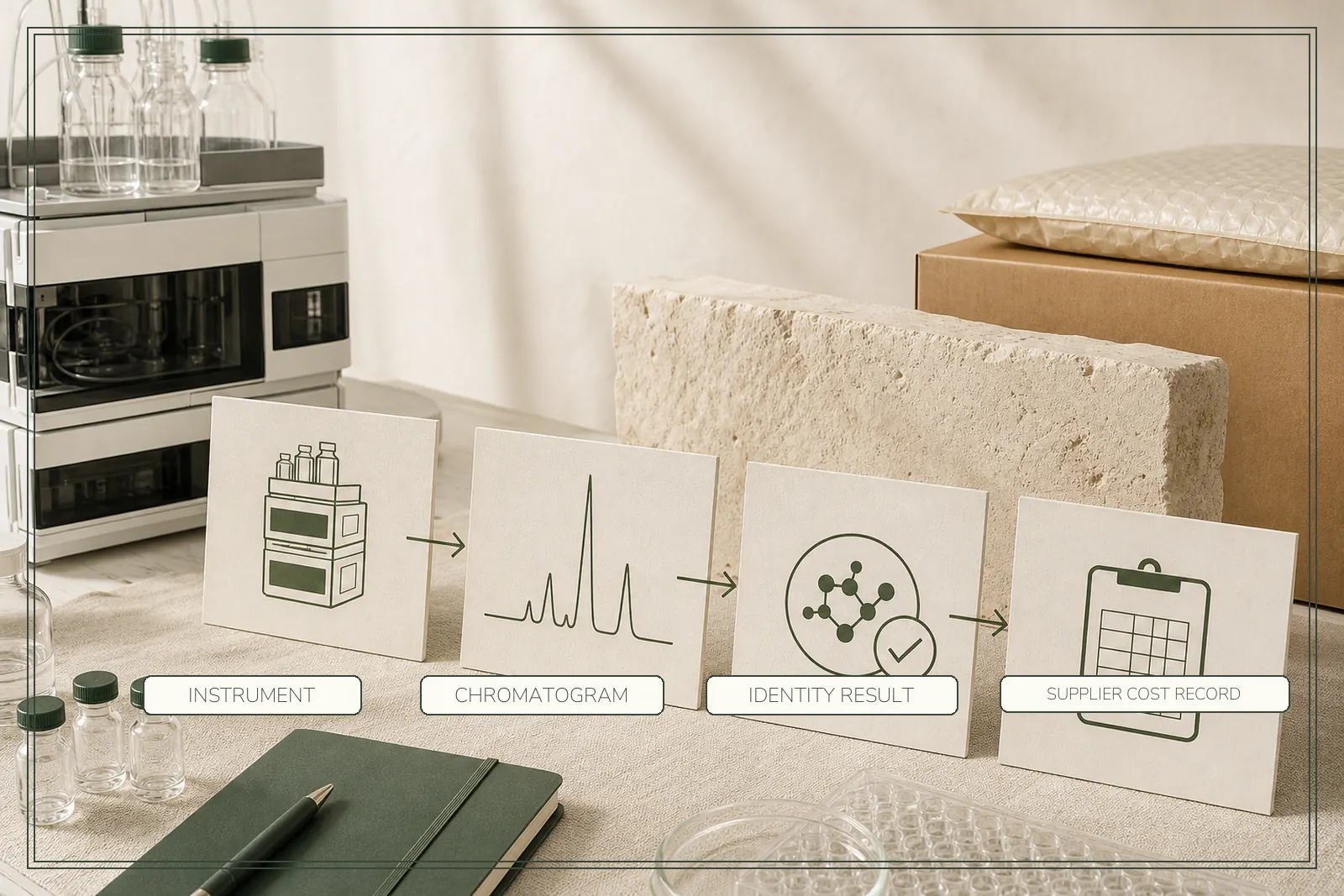
**Analytical testing.** HPLC purity analysis and mass-spectrometry identity confirmation cost money, and critically they cost money *per lot* rather than once per product line. A supplier testing every batch carries a recurring expense that repeats with every production run.
**The diluent.** Bacteriostatic water is inexpensive but not free, and buying it alongside the material avoids a second shipment.
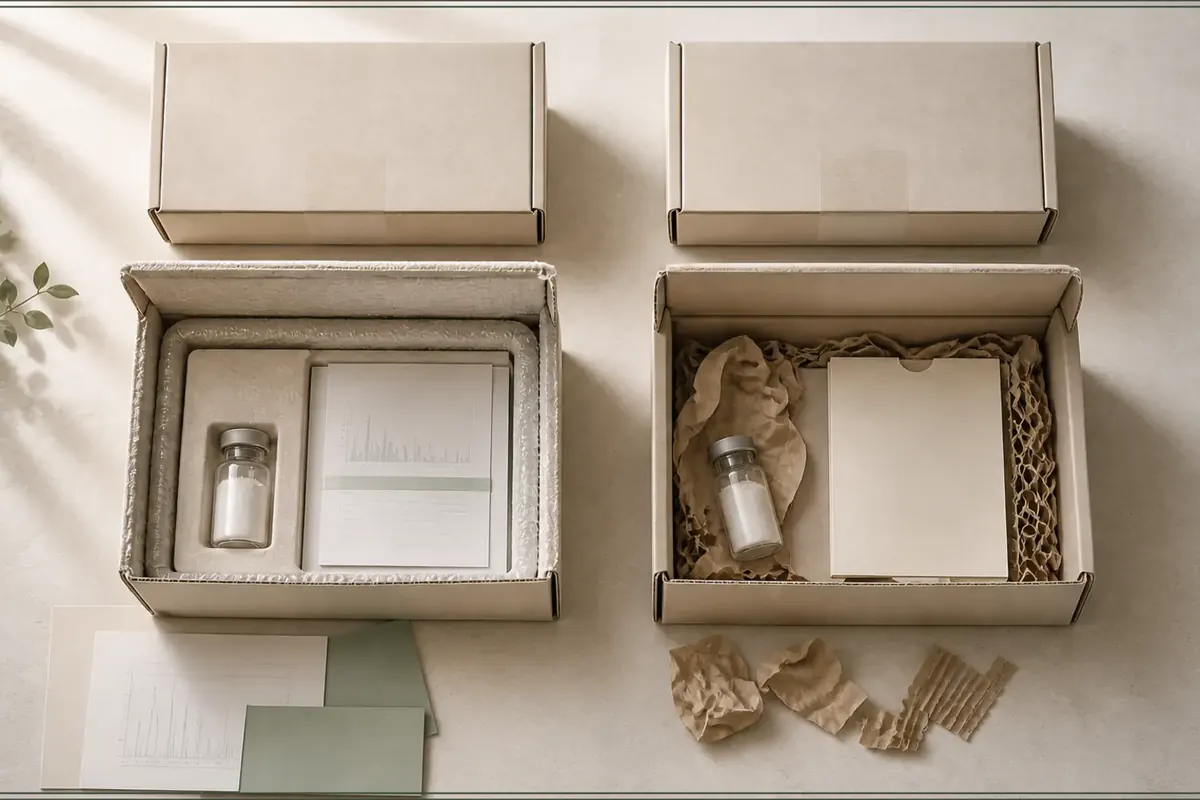
**Cold chain.** Insulated packaging, coolant and expedited transit cost meaningfully more than dropping a padded envelope into standard post. This is the line most often cut, and it is invisible at the point of purchase.
Only one of those four is ever itemised, and the difference between them is which can be removed without changing what is nominally in the vial. Synthesis cannot: cut it and there is no product. Testing and cold chain can, because the vial still contains a white powder and still arrives, and nothing about the parcel reports what was skipped. That asymmetry is the whole reason the next section is true.
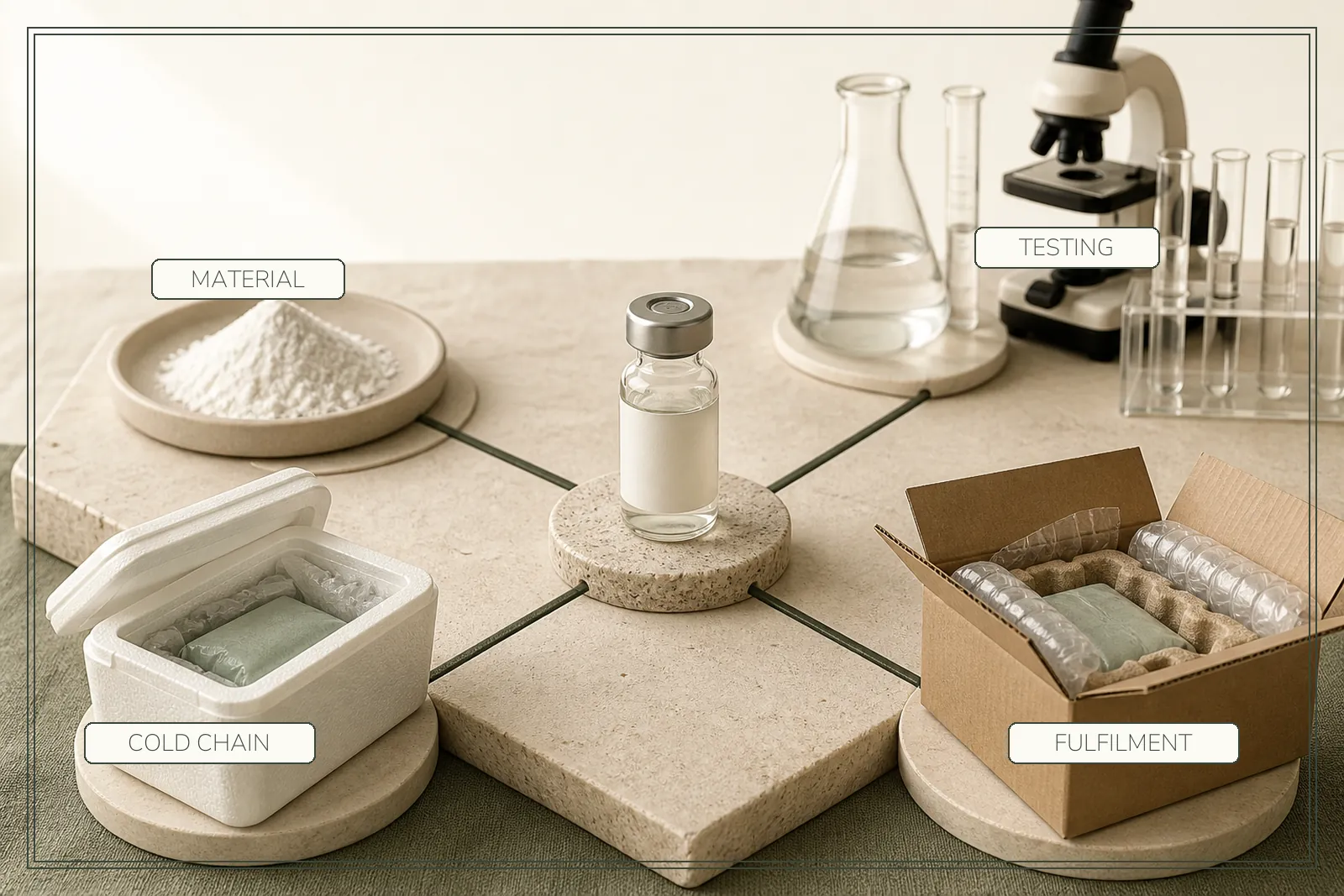
Why does the cheapest listing usually have the least evidence?
Because the largest avoidable costs are the ones that produce the evidence.
A supplier who skips per-lot testing removes a recurring expense entirely. A supplier who ships without cold chain removes another. Neither omission is visible in a product photograph, and both appear directly in the price. The result is a market where the lowest figure is frequently produced by the absence of exactly the things a buyer would most want present.
This inverts the usual instinct about price. In most markets a low figure signals efficiency, scale or competitive pressure, and the product is assumed constant across sellers. Here the product is not constant, and a discount is most often funded by removing a process rather than by running one better. What separates two listings at different prices is frequently not margin at all but whether a step happened.
This should be applied as a prior rather than a verdict, because legitimate reasons for a lower price do exist. A supplier buying in larger quantity, operating on thinner margin, shipping domestically rather than across a border, or running fewer intermediaries can genuinely charge less for identical material. The distinction is that every one of those explanations is a claim a supplier can state and be asked about, whereas the omitted-testing explanation is the one that is never advertised. So a low price is a question, not an accusation — and a supplier who cannot answer where the difference comes from has effectively answered.
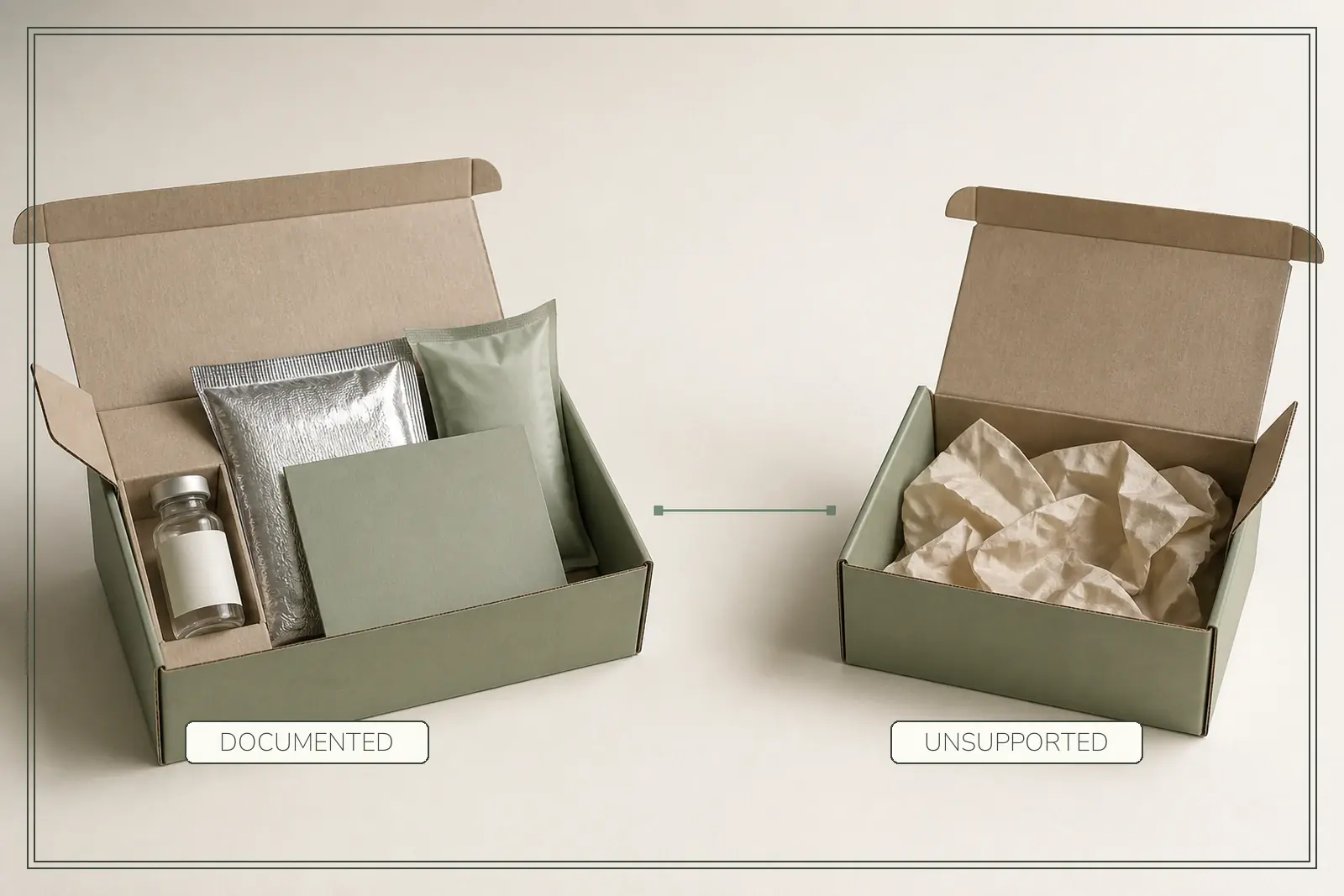
What does the testing itself cost a supplier?
Not a figure that can be quoted honestly, but a cost with a structure — and the structure is what makes skipping it attractive.
Three separate things are being paid for. The analysis itself, charged by a contract laboratory per sample and per method, which means HPLC purity and mass-spectrometry identity are two line items rather than one. Method development, because a laboratory cannot run a routine analysis on a compound until a method for it has been established, and that is a one-off cost a supplier testing a single lot has nothing to spread across. And reference material, since confirming identity is a comparison, which requires something known to compare against.
The structural point matters more than any of the individual costs. Analysis is per-lot, so the expense scales with how many production runs a supplier puts through, not with how much revenue those runs generate. A supplier moving many small lots pays proportionally more than one moving few large ones — which is precisely why "we test our product" is a considerably weaker statement than "we test every lot". The first can be literally true and describe one analysis, run once, on a batch that sold out long ago.
We are not going to attach numbers to any of this. Analytical costs vary by laboratory, territory, method and sample volume, and a figure invented here to make the argument land would be exactly the kind of unsourced number this site keeps telling you to distrust. What is checkable without any figures at all is whether a certificate is dated, and whether its lot number is the one on your vial.
What does a higher price not prove?
That the material is good.
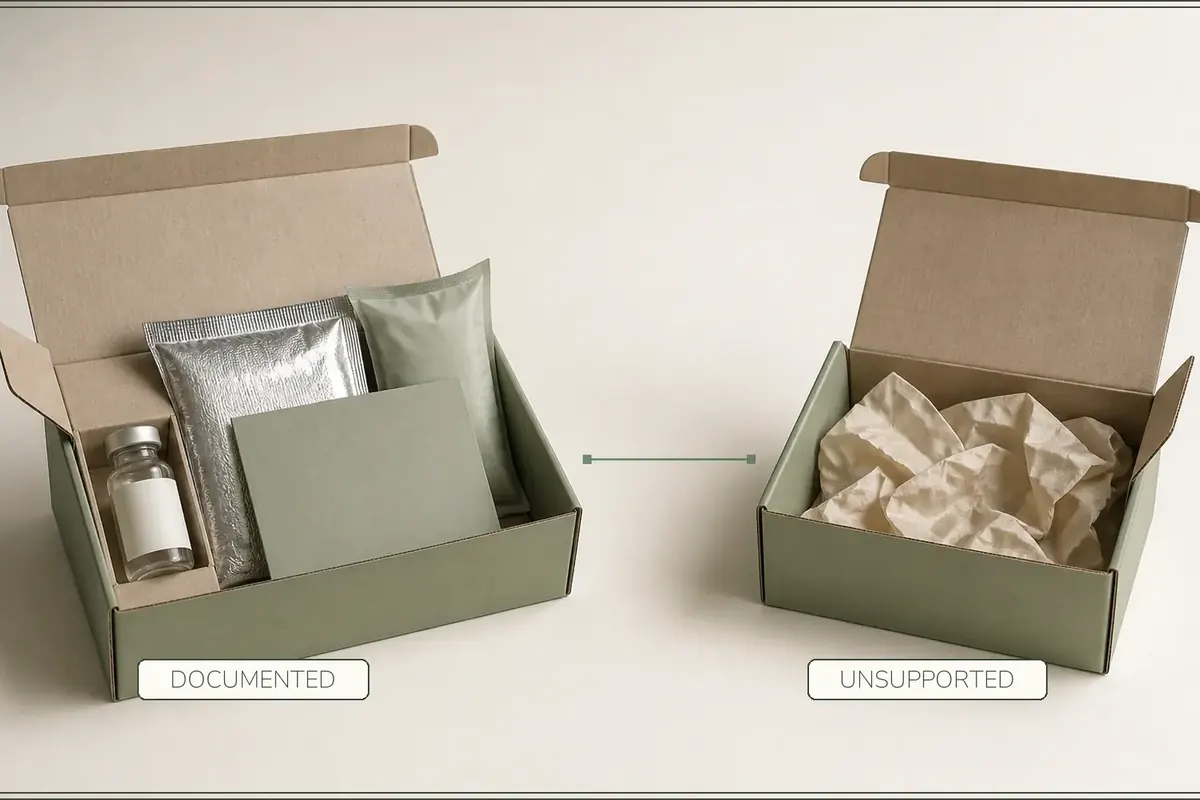
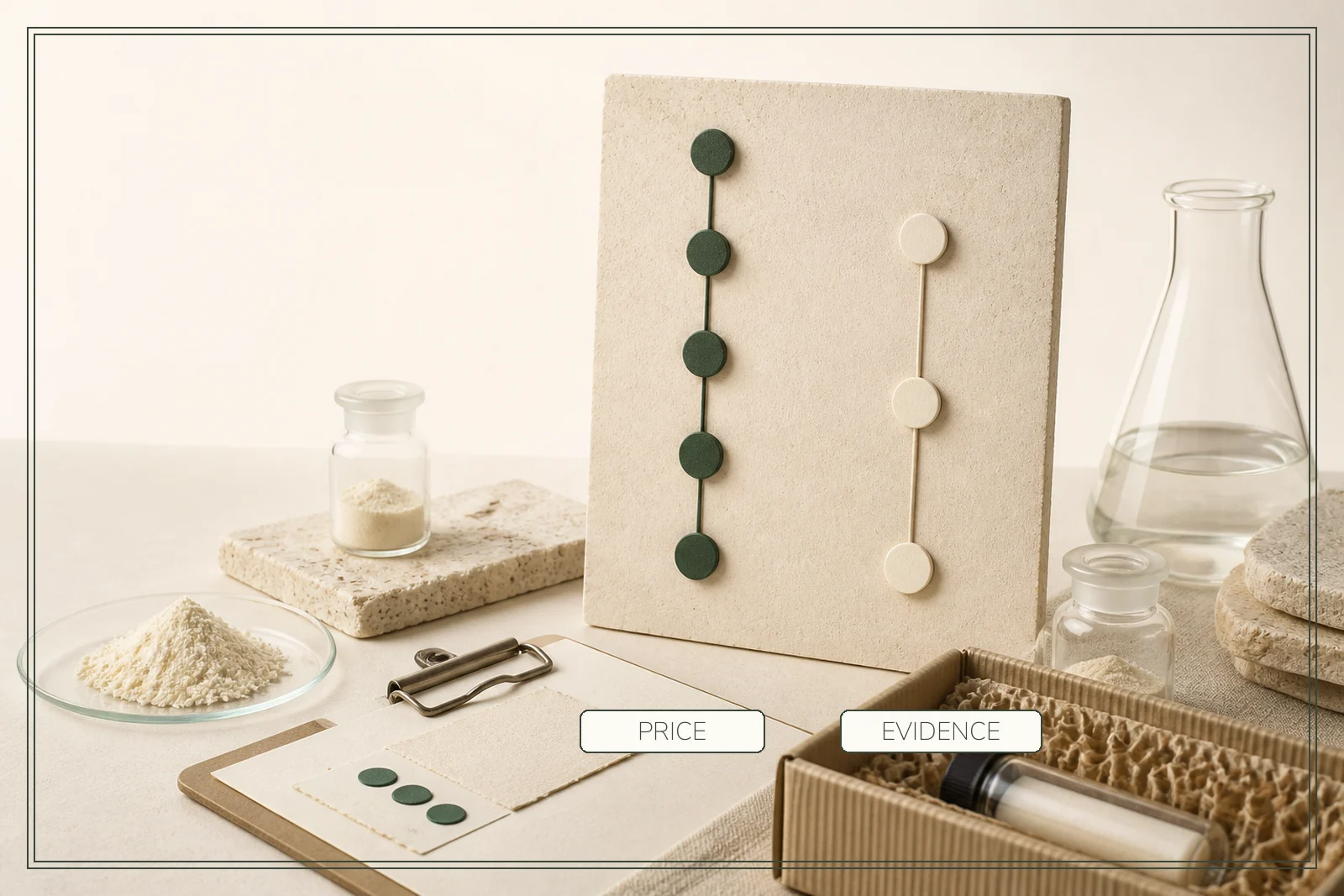
Price is a signal, not evidence. A supplier can charge well above the market and still ship untested material, and the higher figure does nothing to establish quality on its own. Expensive and undocumented is a worse purchase than moderately priced and fully documented, and both exist in this market.
It is worth being clear about the limit of this reasoning too. Reading price as a signal of testing narrows the field; it does not establish that any particular lot is what it claims to be. Only documentation you can inspect does that, and even documentation can be fabricated. Price reasoning is a filter applied before the evidence, not a substitute for it.
What price does is make certain claims plausible or implausible. A supplier charging very little while claiming per-lot chromatograms and cold-chain shipping is making an arithmetic claim as well as a quality one, and the arithmetic is checkable even when the quality is not. Use price to test whether the stated practices could be funded, then verify the practices themselves through the documentation.
What is the true cost of a working setup?
The material is one line of four, and the other three are usually discovered after the first order rather than before it.
There is the diluent, in the quantity the whole order actually requires rather than the quantity one vial suggests. There is storage held at temperature, which in practice means somewhere that is not the shared fridge being opened all day. There are the consumables for measuring and transfer, at a graduation resolution that matches the volumes being used rather than whatever was already in the drawer. Each is individually small and each is capable of stalling the work if it is missing at the wrong moment — what you need before you start covers the handling side of this in full.
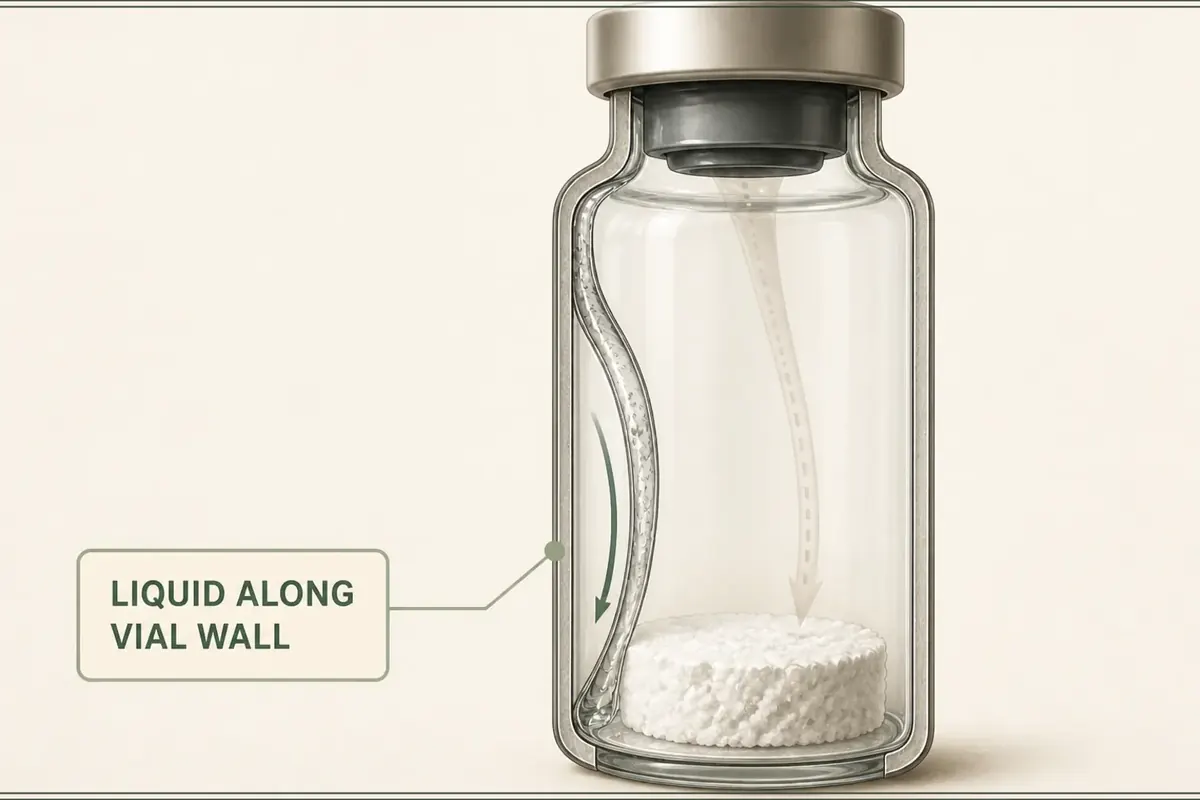
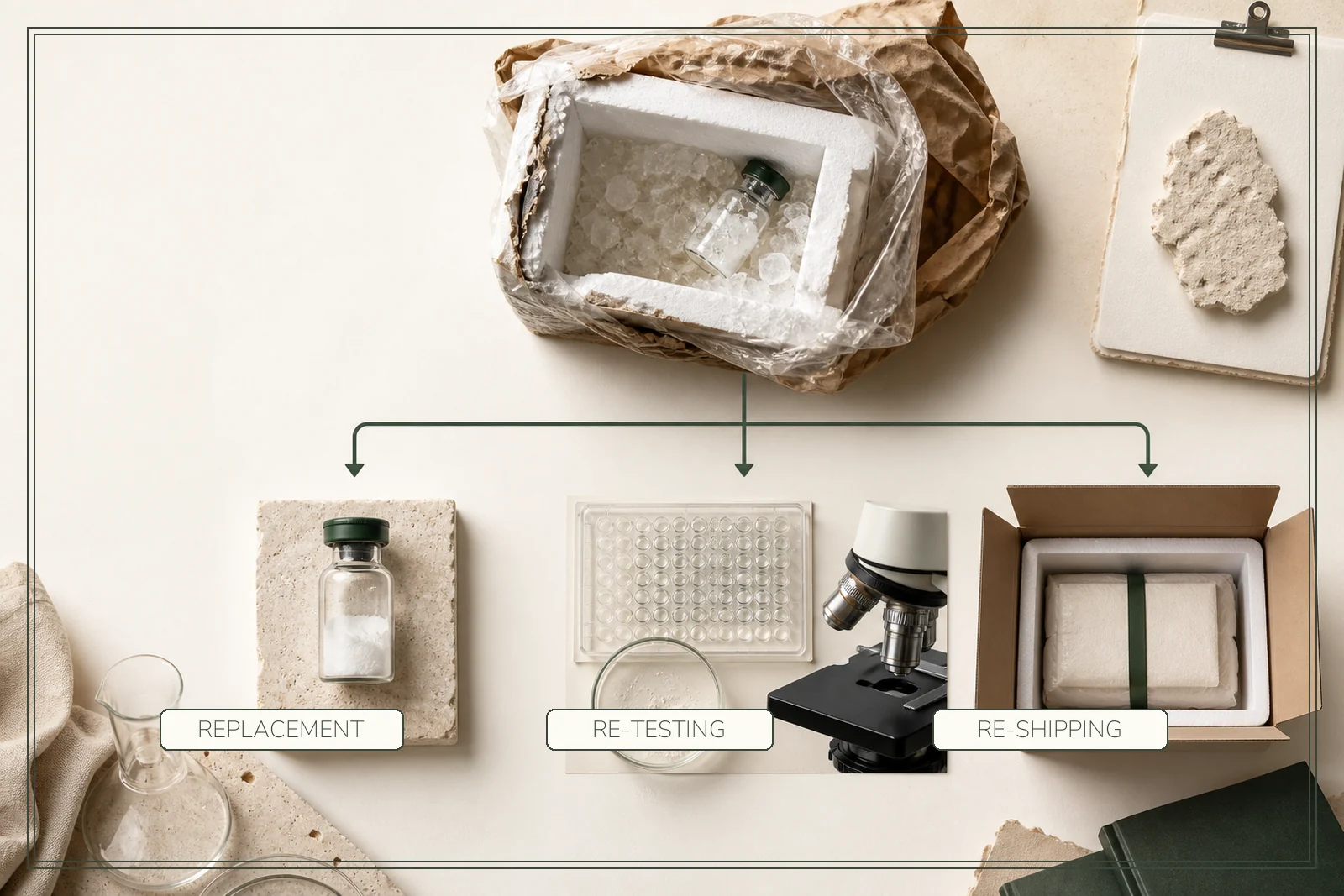
The fourth line is the one nobody budgets for: material lost to error or to uncertainty. A vial denatured by shaking, a solution degraded through repeated freeze-thaw, or a lot whose identity cannot be established after the fact — each of those converts the entire purchase price into zero usable work, not into cheaper work.
Which suggests the more useful unit. Cost per vial is easy to compare and answers almost nothing. Cost per usable result is harder to calculate and is the figure that actually matters, and on that measure undocumented material is not cheaper at all. A result you cannot attribute to a known compound is not a low-cost result. It is not a result.
What our price includes
We would rather show the arithmetic than argue about the figure. Every lot we sell is tested and the results published: HPLC chromatograms rather than summary percentages, mass-spectrometry identity confirmation, and a certificate of analysis whose lot number matches the vial you receive. All orders ship under stated cold-chain conditions, and bacteriostatic water is available as a checkout add-on so the diluent arrives with the material.
Deliberately, there is no figure on this page. Prices change, pages do not get updated as often as they should, and a number written into an article is a number that will eventually be wrong while still looking authoritative — which is the failure mode this entire article is about. Current pricing lives on the listing itself, where it cannot go stale. You can see the current retatrutide 20mg price on the listing with the current lot documentation linked directly from it, and the supplier checklist sets out the standard we would expect you to hold us to. Supplied for laboratory research use only.
For research use only — not for human consumption. Nothing here is medical advice.